

Last Updated: October 23, 2026
Quick Summary
Is specialty coffee worth the price depends on your brewing equipment and palate. Specialty coffee costs $24.99-$32.75 per pound versus $9.37-$15 for supermarket coffee, but delivers measurable quality through cupping scores of 80+ points, peak freshness within one to six weeks post-roast, and documented flavor profiles that justify the premium for those with proper brewing methods.
- Specialty coffee is evaluated on a 100-point cupping scale for flavor, while commodity coffee is graded only on appearance and defects
- Specialty coffee peaks in flavor one to six weeks after roasting, while supermarket coffee degrades after two to three weeks on shelf
- A $24.99 specialty coffee bag yields about 12 cups at $2.08 per cup, compared to $0.78 per cup for supermarket coffee
- Specialty coffee requires precision brewing equipment like pour-overs or French press to extract full flavor potential
- Direct relationships between roasters and farmers at origin support sustainable farming practices and better wages
Table of Contents
- What Makes Specialty Coffee Different: The Quality Foundation
- Specialty Coffee vs Supermarket Coffee: A Direct Comparison
- Why Specialty Coffee Costs More: Breaking Down the Price
- The Real Cost Per Cup: Is Specialty Coffee Worth It?
- How to Choose Specialty Coffee That Justifies the Investment
- Beyond Price: Flavor, Freshness, and the Sensory Experience
- Conclusion: When Specialty Coffee Delivers Real Value
- Frequently Asked Questions
What Makes Specialty Coffee Different: The Quality Foundation
Whether is specialty coffee worth the price starts with understanding that it isn't just coffee that costs more. It's a fundamentally different product, built on measurable quality standards that commodity coffee simply doesn't meet.
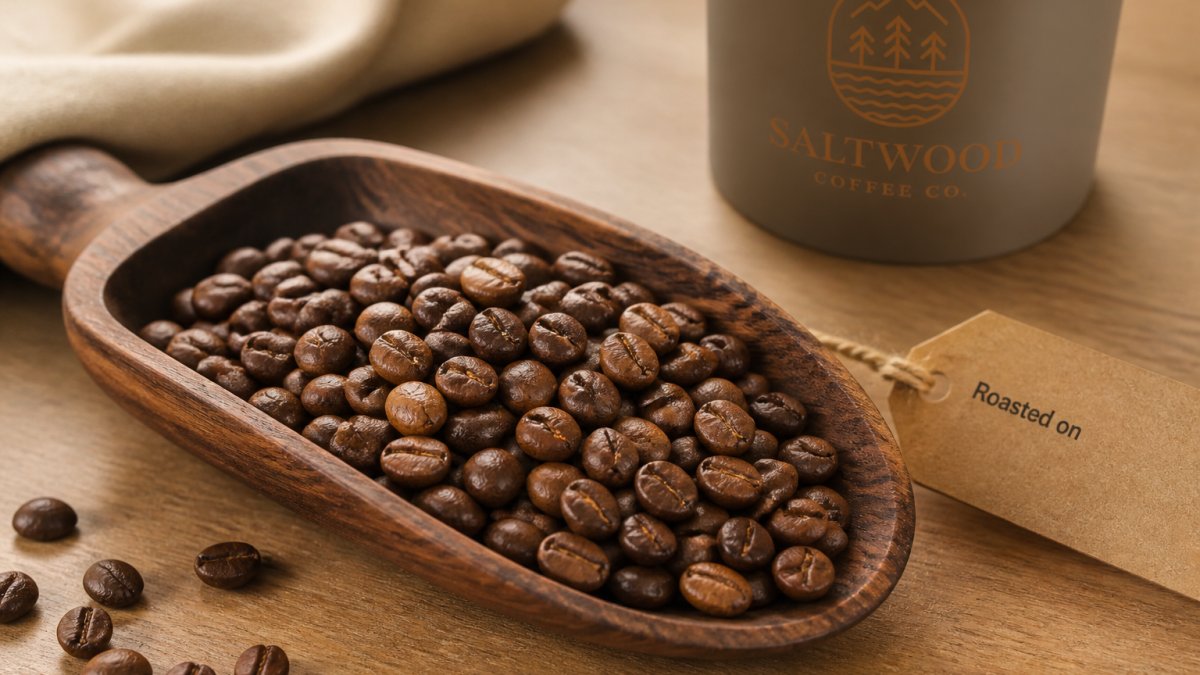
The difference starts with how it's grown and processed.
According to Journal of Agricultural and Applied Economics research, quality attributes like fruity, floral, sweet, spice, and sour acid profiles are the primary drivers of specialty coffee quality scores and price premiums.
Commodity coffee, by contrast, is graded on appearance and defect count alone. No one tastes it. No one evaluates flavor. It's sorted, bagged, and shipped based on how many broken beans or foreign objects it contains.
When you buy specialty coffee, you're buying beans that someone with trained palate actually tasted and approved. At Saltwood Coffee, we roast single-origin beans like our Ethiopia Natural, a medium-light roast with milk chocolate, fruity, and caramel notes, specifically because we've evaluated them and know they deliver.

Specialty Coffee vs Supermarket Coffee: A Direct Comparison
The gap between specialty and supermarket coffee shows up in three places: freshness, traceability, and flavor consistency.
Supermarket coffee sits. It's roasted weeks or months before it reaches the shelf, then sits longer in your cabinet. Oxygen and time degrade the oils that carry flavor.
Specialty coffee, particularly roast-to-order offerings, arrives days after roasting. The degassing process, where CO2 naturally escapes from freshly roasted beans, is still happening when you brew. That's when the flavor is at its peak.
| Attribute | Specialty Coffee | Supermarket Coffee |
|---|---|---|
| Roast Date Transparency | Clearly printed, typically within 2-4 weeks | Often unknown or months old |
| Quality Evaluation | Cupped and scored (80+ points) | Graded on appearance only |
| Single Origin vs Blend | Usually single origin with region details | Blended, origin often unknown |
| Flavor Profile | Documented tasting notes | Generic "bold" or "smooth" |
| Price per Pound | $24.99-$32.75 (specialty range) | $9.37-$15 average |
| Freshness Window | Peak at 1-6 weeks post-roast | Degraded after 2-3 weeks on shelf |
Traceability is another dividing line. Specialty coffee often includes the grower's name, the farm region, altitude, processing method, and sometimes the specific variety.
This transparency matters because processing method affects flavor. Washed process coffees taste cleaner and brighter. Natural process coffees taste fruitier and fuller. Honey process coffees land somewhere in between.
Why Specialty Coffee Costs More: Breaking Down the Price
The price premium isn't arbitrary. It reflects real differences in production, quality control, and supply chain structure.
A bag of specialty coffee at $24.99 per pound reflects several cost layers that supermarket coffee avoids. First, specialty roasters typically buy directly from producers or through specialty importers, not commodity brokers. Direct relationships mean higher farm-gate prices, which is intentional.
According to ScienceDirect research on specialty coffee markets, specialty coffee markets reward quality, which increases farm-gate prices and encourages more sustainable, shaded, and diversified farming systems. The farmer growing specialty-grade coffee isn't maximizing yield on a hillside monoculture.
Second, specialty roasters roast in small batches. Batch roasting allows precise control over heat and airflow, which is critical for bringing out specific flavor notes in different bean origins. A single-origin Ethiopia Natural needs different roasting parameters than a Guatemalan Whiskey Barrel Aged.
Supply Chain Transparency and Fair Wages
The third cost driver is the supply chain itself. Specialty coffee roasters track their beans from farm to cup. This requires relationships with importers, regular communication with producers, and sometimes direct farm visits. It's labor-intensive and expensive compared to buying commodity lots through brokers who never meet the farmers.
Fair wages are embedded in this cost. A specialty roaster paying premium prices at origin is often supporting better wages and working conditions than commodity coffee offers. That's not charity, it's a business model that depends on consistent quality, which requires farmers to stay invested in their land and their craft.
Roast Date and Freshness Impact
Freshness is where the roast date becomes non-negotiable. Specialty roasters print the roast date because they want you to drink the coffee at peak freshness. Supermarket coffee doesn't print it because the coffee is often stale before it reaches the shelf.
The peak flavor window for specialty coffee is one to six weeks post-roast. Within that window, the beans have finished degassing but the volatile compounds that carry flavor haven't oxidized yet. Drink it at two weeks, and you get the full expression of the bean. Drink it at six weeks, and it's still excellent. Drink it at three months, and you're tasting a faded version of what it could have been.
This is why roast-to-order matters. When Saltwood Coffee roasts your order and ships the same day, your coffee arrives at peak freshness. You're not waiting for inventory to clear or sitting through shelf time. You're getting the bean at its best.
The Real Cost Per Cup: Is Specialty Coffee Worth It?
This is where the math gets honest. A $24.99 bag of specialty coffee typically contains 12 cups if you're using a standard 15-gram dose. That's about $2.08 per cup before brewing equipment, water, and time.
A $9.37 bag of supermarket coffee at the same weight is $0.78 per cup, less than half the price.
The brewing equipment dependency also matters. A pour-over, French press, or espresso machine designed for precision brings out the fruity, floral, and sweet notes that make specialty coffee worth the premium.
If you're brewing specialty coffee in a 20-year-old Mr. Coffee machine, you're wasting the premium. You'll taste something better than supermarket coffee, but you won't taste the full potential.
For someone willing to invest in proper equipment and brewing technique, specialty coffee delivers measurable value. For someone brewing in a basic drip machine, the difference narrows.
How to Choose Specialty Coffee That Justifies the Investment
The roast date is your first filter. If it's not printed, skip it. The roast date tells you the coffee is fresh and that the roaster is confident in their product.
Second, look for tasting notes. Specialty coffee should describe what you'll taste, "milk chocolate, fruity, caramel" or "floral, sweet, balanced acidity." Supermarket coffee says "bold" or "smooth," which is meaningless. Tasting notes come from actual cupping evaluation.
Third, check the origin and processing method. Single-origin coffee from a specific region (like Ethiopia's Sidama Zone) with a named processing method (natural, washed, honey) tells you the roaster knows their beans.
At Saltwood Coffee, we list specific details for every bean.
Fourth, consider the roaster's supply chain transparency. Can you trace the coffee back to a specific farm or farmer? Do they explain their sourcing relationships?
Beyond Price: Flavor, Freshness, and the Sensory Experience
The real question is specialty coffee worth the price, or is whether the sensory experience justifies it for you personally.
Specialty coffee demands palate training. Your first specialty coffee might not blow your mind if you're used to supermarket coffee. Your palate has been conditioned to expect a certain flavor profile.
This takes time. Drink specialty coffee intentionally for two to three weeks, and your palate shifts. You start noticing the difference between a fruity, floral Ethiopian and a balanced, chocolate-forward blend.
The freshness factor also compounds over time. When you drink fresh coffee consistently, you taste the degradation in stale coffee more acutely. Supermarket coffee that once seemed fine now tastes flat and dull.
For remote workers and people building intentional morning rituals, this shift is significant. Specialty coffee transforms coffee from a caffeine delivery mechanism into a moment of quality and attention.
Conclusion: When Specialty Coffee Delivers Real Value
Specialty coffee is worth the price when three conditions align: you have equipment that can extract the full flavor potential, you're willing to learn what to taste for, and you value the ritual enough to justify the cost.
If you're serious about this investment, start with Saltwood Coffee's roast-to-order model. Our same-day shipping ensures your coffee arrives at peak freshness, and our single-origin selections like the Ethiopia Natural give you the transparency and flavor complexity that make specialty coffee worth exploring. Every bag includes the roast date, origin details, altitude, processing method, and tasting notes, everything you need to understand what you're drinking and why it matters.
Frequently Asked Questions
Is specialty coffee worth the extra cost compared to supermarket coffee?
Specialty coffee costs $24.99 per pound, while ground coffee from supermarkets averages $9.37 per pound. The premium reflects measurable differences: specialty coffee uses cupping scores to verify quality, direct trade relationships ensure fair wages to farmers, and roast-to-order freshness preserves flavor compounds that degrade in commodity coffee. Whether it's worth it depends on your palate training and brewing equipment, a quality grinder and brewing method unlock the sensory experience that justifies the price.
What makes specialty coffee taste better than regular coffee?
Specialty coffee's flavor comes from three factors competitors miss. First, single-origin beans showcase distinct flavor notes, fruity, floral, or caramel, based on altitude, soil type, and processing method. Second, roast dates matter: coffee peaks in flavor 1-6 weeks after roasting, then oxidizes and loses aroma. Supermarket coffee often sits for months. Third, specialty roasters use batch roasting and quality control to ensure consistency. Traceability means you know the grower, altitude, and harvesting techniques, all variables that directly affect taste.
How do I know if specialty coffee will taste noticeably better if I'm not a coffee snob?
Start by comparing the sensory experience side-by-side. Brew specialty coffee with the same method you use for supermarket beans. You'll notice aroma first, specialty coffee has more pronounced fragrance due to fresher degassing. Then taste for body and acidity: specialty coffees have cleaner acidity and fuller body. If you use a quality grinder and pour-over or French press, the difference becomes obvious within your first cup. Palate development happens naturally, your taste buds adapt to recognize complexity.
What should I look for when choosing specialty coffee to ensure I'm getting value?
Check four indicators: roast date (within 2 weeks is ideal), cupping score (80+ indicates high quality), traceability (grower name and region), and processing method (washed, natural, or honey process affect flavor). Single-origin beans let you taste terroir, the environmental impact on flavor. Altitude above 1,700 meters typically produces more complex acidity and sweetness. Direct trade relationships or fair-wage certifications signal ethical sourcing, which supports sustainable farming. These factors correlate directly with price premiums and cup quality.
Does roast-to-order coffee actually stay fresher, and is it worth the premium?
Yes. Roast-to-order eliminates standing inventory, which means your coffee reaches peak flavor 1-6 weeks after roasting instead of sitting on shelves for months. During this window, volatile aromatic compounds remain intact, this is why freshly roasted coffee has pronounced aroma and cleaner taste. After six weeks, oxidation degrades flavor. Roast-to-order also means same-day shipping captures the coffee at its prime. For remote workers building a morning ritual, this freshness premium directly translates to a noticeably better cup every time.
The real measure of value isn't the price per pound. It's whether the sensory experience, freshness, and intentionality justify the investment for your daily ritual. For many, specialty coffee does exactly that.
